
Choosing Loudspeakers for a Church: Coverage, System Design and Handover
Plan a church loudspeaker system around speech, music, seating coverage, amplification and handover. Questions to ask before requesting a quotation.
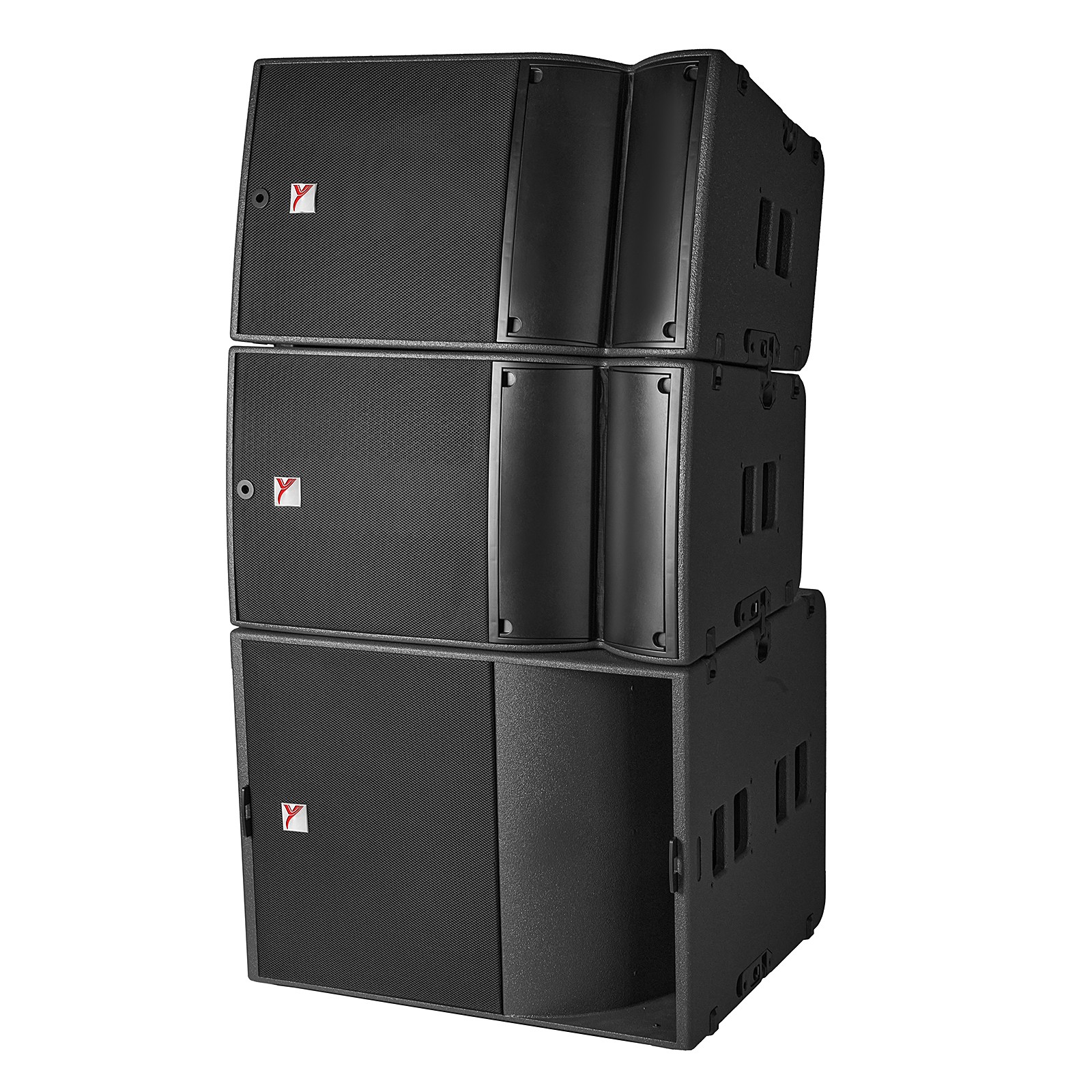
A church loudspeaker system should be selected around the congregation, the service and the room. Seat count alone cannot tell you which loudspeaker to buy. A wide sanctuary, a deep room and a space with balcony seating can need different coverage approaches even when they hold the same number of people.
This guide helps churches and audio integrators turn a product discussion into a proposal that can be checked. It is a planning framework, not a completed acoustic design or a recommendation that one YASHWEI model suits every church.
1. Separate spoken-word needs from music requirements
Write down what happens during a normal service: spoken messages, choir, acoustic instruments, a full band or recorded music. Speech clarity is central to worship communication, while the music program helps define the required frequency range and output. Yamaha's house-of-worship sound-system guide also distinguishes speech-focused needs from more demanding music applications and portable from permanent installations.
For your proposal, ask the designer to state which use cases are covered. If a school program or community concert uses the same room, include it in the brief. Agree on how the system will be demonstrated for both speech and the intended music program.
2. Request a coverage plan for the actual seating layout
Provide a floor plan with stage position, seating boundaries, ceiling height, balconies and any areas hidden behind structural features. Ask for proposed loudspeaker positions and aiming, with an explanation of how the front, rear, sides and obstructed seats will be served.
Supplementary loudspeakers can address areas the main system does not adequately cover, but their level and timing need to be considered as part of the design. Yamaha's guidance on speaker layout describes this use of fill loudspeakers. Do not select a line array, point-source system or additional fill simply from its appearance.
A useful question for a quotation is: “Show us what each loudspeaker serves, and explain any seats that need additional attention.” Ask what site measurements or acoustic assessment are still required before the layout can be finalized.
3. Compare powered and passive systems as complete proposals
A powered loudspeaker includes amplification; a passive loudspeaker needs external amplification. Neither description, by itself, establishes which proposal is right for your church. Compare the complete equipment list, connection plan, access for maintenance and operating requirements.
- For a powered option, request the model's mains requirements, signal connections, control functions and proposed power-distribution plan.
- For a passive option, request the amplifier model, channel allocation, load configuration and processing settings.
- For either option, ask who supplies and commissions the settings, how they are documented, and what the operator may safely adjust.
YASHWEI's R1 powered line array and R2 powered subwoofer are products to discuss when those categories fit the project. These links are starting points for technical evaluation, not a preset church package or a confirmed R1/R2 system configuration.
4. Discuss low-frequency support and stage monitoring separately
Ask whether the proposed system includes subwoofers and why they are needed for your music program. Request their locations, signal routing and integration settings. Then describe the performers' monitoring needs: number of positions, typical microphones, instruments and available stage space.
Do not assume the congregation's main loudspeakers also solve the musicians' monitoring requirements. Ask for separate items in the proposal so that the function and cost of each part are clear.
5. Make installation and handover part of the quotation
For a fixed installation, request the mounting documentation and identify who will assess the building attachment points and carry out the installation. For a portable church, specify setup frequency, storage access, handling arrangements and the time available for setup and packing.
Include operator training, a labeled connection diagram, a saved settings record and an agreed listening check across the seating area. Ask the installer to identify which adjustments volunteers should use during a normal service and which should remain under technical control.
6. Confirm the commercial details for a U.S. delivery
Request the exact model list and quantities, applicable model-specific compliance documents, warranty scope, service arrangements, replacement-parts availability, demo costs and shipping quotation to your ZIP code. Ask which charges and delivery responsibilities are included. Do not infer U.S. certification, a local service center or delivery terms from a catalog or manufacturing video.
Send a church-specific inquiry
Prepare your seating plan, room dimensions, photographs, normal service format, existing equipment list, budget range, installation date and delivery ZIP code. State the main problem you want to solve, such as unclear speech in rear seats or a system that is difficult for volunteers to operate.
Explore YASHWEI's church and worship application page, use our project brief checklist, or review our manufacturing films and supplier evaluation guide.
Send your church sound-system requirements so we can discuss the next technical information needed for your project.